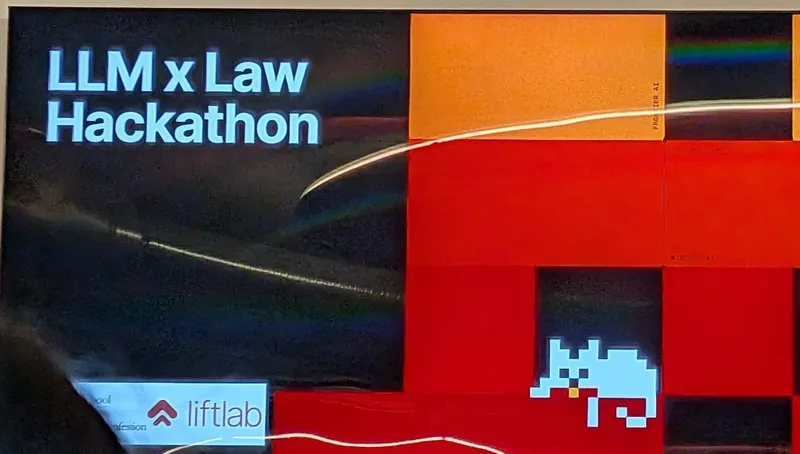
LLM x Law Hackathon Paris
Stanford Law School × Mistral AI
- What I kept
- Freeze the demonstration build well before the final presentation. Code changes continued until the final hour before judging, including backend commits at 17:05 and refactoring at 17:56. The live backend failed during the presentation. A stable, frozen build with a well-rehearsed demonstration path always outperforms last-minute feature additions.
- What I challenge
- Building two separate codebases during a short hackathon creates unnecessary synchronization overhead. A single unified stack should be established from hour one.
- What it changed
- First practical test of the pythagoras-sec policy engine inside a third-party application, providing attorneys with an unalterable HMAC-chained execution log. Confirmed that the governance layer functions as a reusable software component.
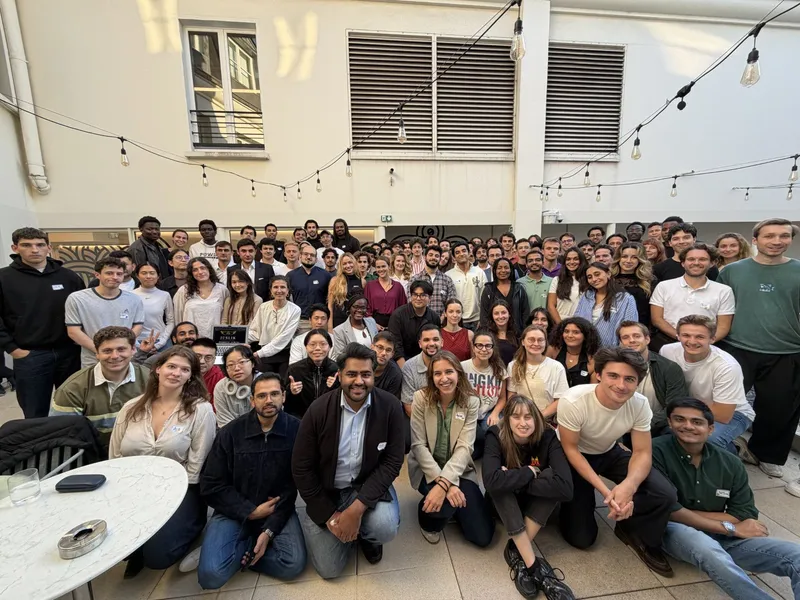
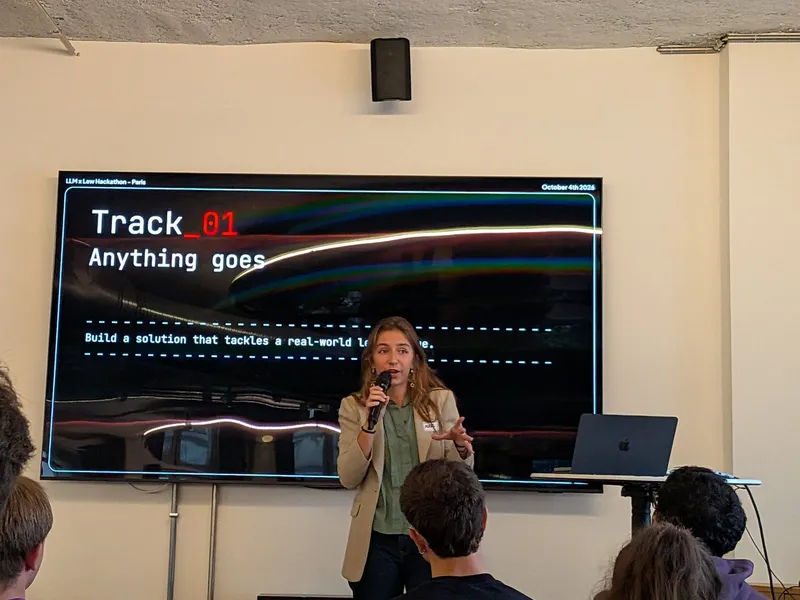
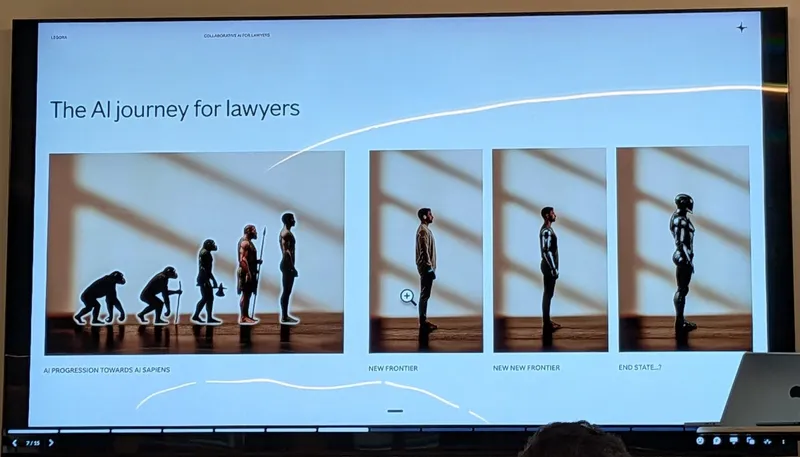
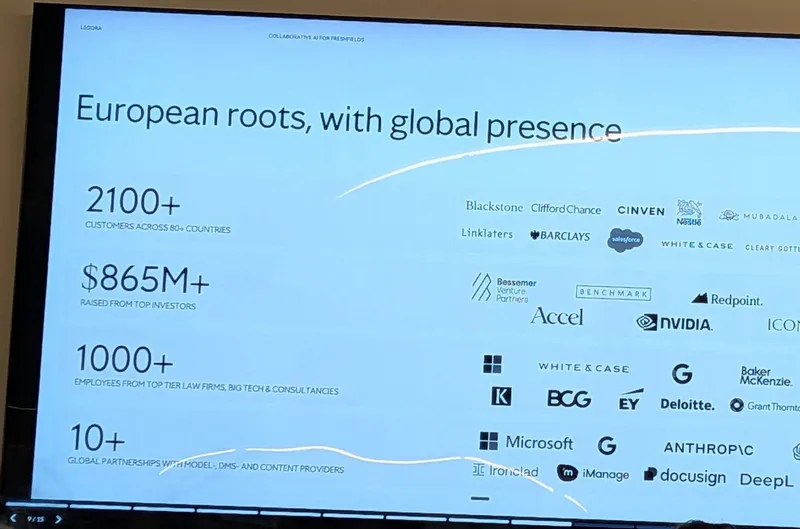
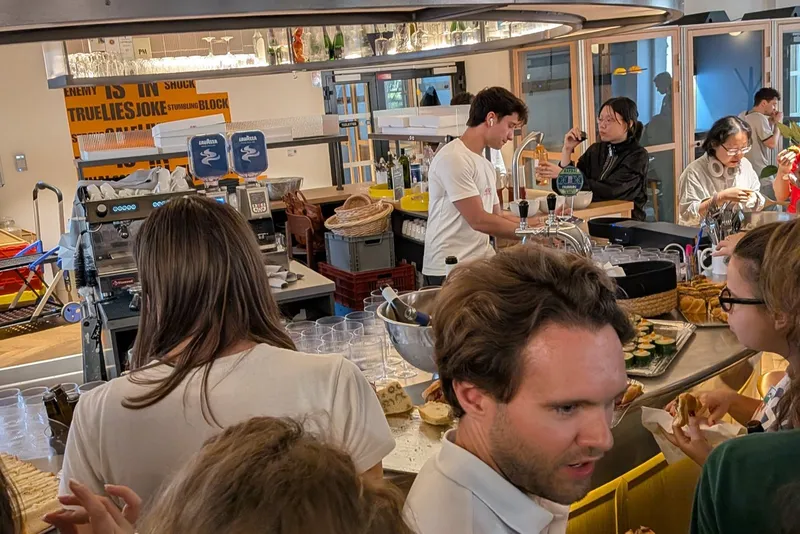
Second edition of the LLM x Law Hackathon in Paris, hosted by Stanford Law School and Mistral AI with Legora, Hector AI, Jus Mundi and Sciences Po Law School as partners: working prototypes for real-world legal problems, with a focus on trustworthy AI.
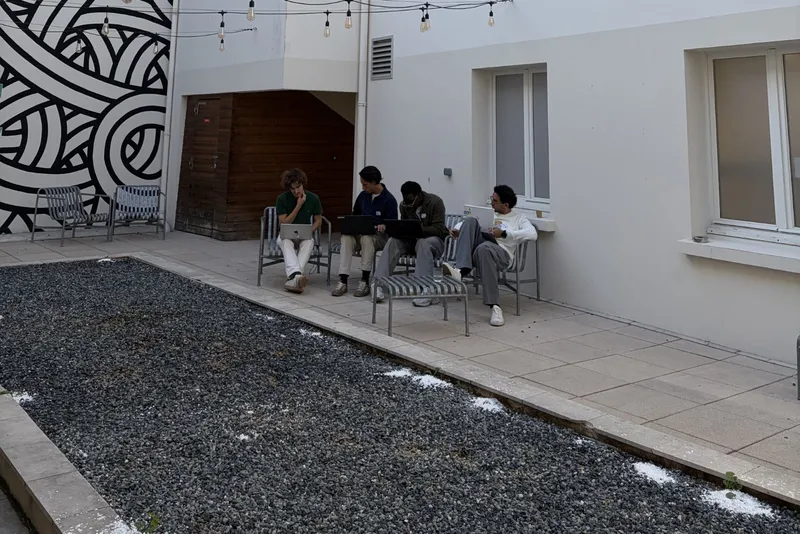
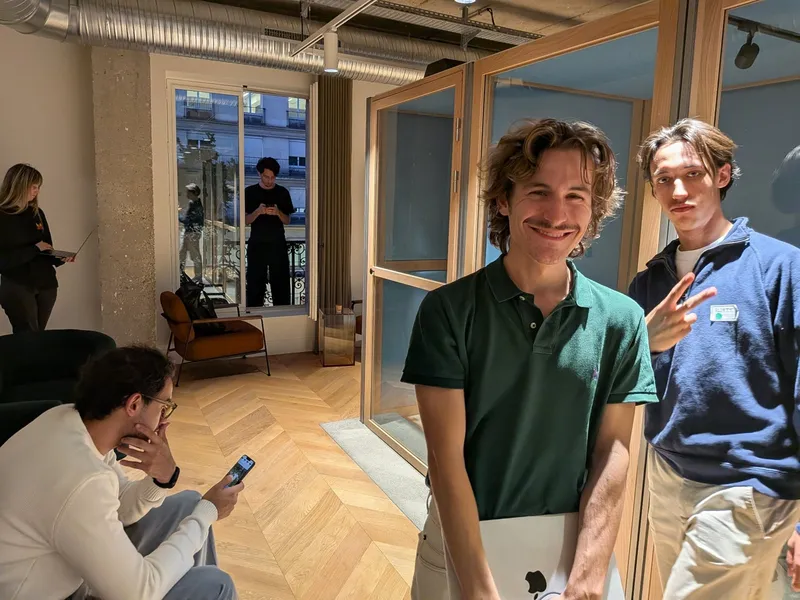
36 hour hackathon with a team of four. We initially built a Python prototype to validate WhatsApp integration, Voxtral voice processing, and OCR, before consolidating features into a shared TypeScript monorepo.
Key successes
- Connecting a live WhatsApp sandbox early in development allowed testing all ingestion features over actual network requests.
- Displaying complete tool execution traces to legal users established trust in system outputs by exposing exact search terms and source references.
Improvements for future events
- Commit to a single technology stack from project kickoff to avoid duplicating implementation effort.
- Enforce a strict feature freeze one hour prior to presentations, backed by automated fallback recordings for live stage demos.